Common Entry Points Rodents Use to Access Properties
Local contractors specializing in rodent pest control can identify and seal common entry points rodents use to access properties, helping prevent infestations effectively.
Understanding the common entry points rodents use to access properties is an essential step for property owners concerned about pest issues. These small creatures often exploit overlooked gaps, cracks, and openings around foundations, vents, doors, and utility lines to slip inside. Recognizing these vulnerabilities can help prevent infestations before they begin, saving time and effort down the line. Local contractors specializing in rodent pest control are well-equipped to identify and seal these entry points, providing a comprehensive approach to keeping unwanted visitors out of homes and businesses.
For property owners in the area, exploring this topic offers practical insights into safeguarding their spaces. Addressing entry points is a key part of effective rodent management, and experienced service providers can assess each property’s unique needs. By working with local experts, residents can ensure that potential access routes are properly sealed and that ongoing pest control measures are in place. Keep reading to learn more about how understanding these entry points can support a proactive approach to rodent prevention.
- Entry point sealing - property owners noticing rodent activity may need local contractors to identify and seal common entry points such as gaps around doors, windows, or utility lines.
- Foundation repairs - when cracks or holes in the foundation are present, local service providers can help reinforce these areas to prevent rodents from gaining access.
- Attic and roof vent inspections - rodents often use vents or gaps in the roofline; local pros can inspect and secure these vulnerable spots effectively.
- Wall and soffit repairs - holes or damaged areas in exterior walls or soffits can serve as entry points, and local contractors can perform targeted repairs to block access.
- Garage and basement sealing - service providers can identify and close gaps around garage doors and basement entries that rodents may exploit to enter properties.
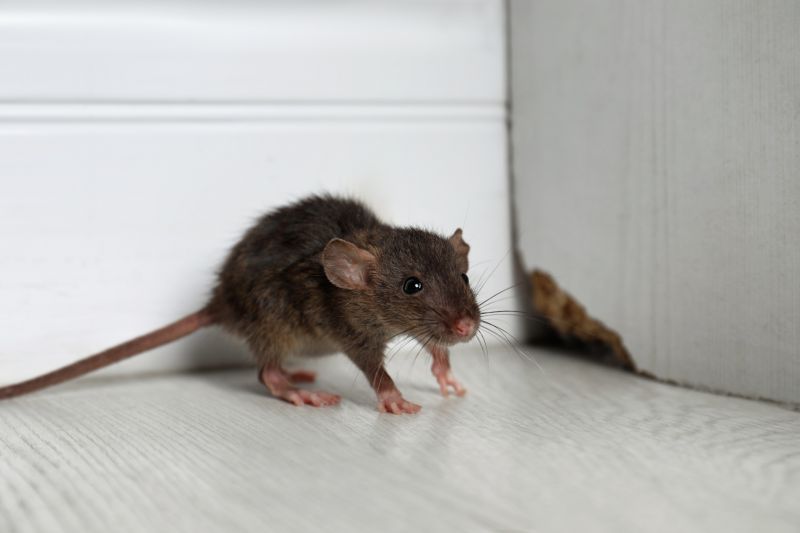
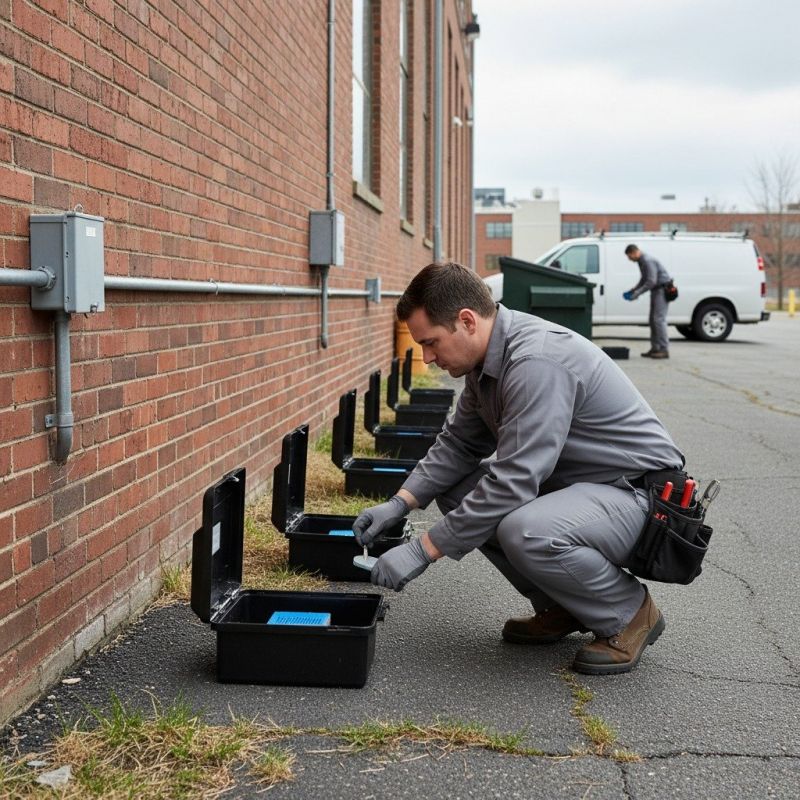

When homeowners search for information about common entry points rodents use to access properties, they are often trying to understand how these pests find their way inside. Recognizing these entry points is a key step in preventing infestations and protecting the home’s interior. People typically want to learn about the specific places rodents can squeeze through or burrow into, so they can identify vulnerabilities in their property. This knowledge helps in planning effective exclusion measures, which are essential to long-term pest management. Local rodent pest control service providers often assist with inspections to pinpoint these entry points and recommend targeted sealing solutions.
The problems related to entry points are usually tied to ongoing rodent activity or the concern of preventing future invasions. Many property owners notice signs like droppings, gnaw marks, or strange noises and want to address the root cause. They may have plans to eliminate existing rodents or to prevent new ones from entering. Understanding common entry points helps homeowners prioritize repairs and exclusion efforts, reducing the likelihood of recurring issues. Local contractors experienced in rodent control can evaluate a property’s unique vulnerabilities, identify the most likely points of entry, and recommend appropriate sealing or barrier methods.
Properties that typically come up in discussions about entry points include residential homes, commercial buildings, and outbuildings such as garages or sheds. Older structures tend to have more vulnerabilities due to aging materials or previous damage. Homes with gaps around doors, windows, or utility lines are especially susceptible, as are buildings with poorly maintained roofs or foundation cracks. Additionally, properties near wooded areas, fields, or water sources often face higher risks because of the natural habitats that attract rodents. Local pest control providers can perform thorough inspections of these property types, focusing on areas where rodents are most likely to gain access.
Identifying common entry points rodents use is a practical step in a comprehensive pest management plan. For homeowners, understanding how these pests access the property connects directly to real projects like sealing gaps, repairing damaged structures, and installing barriers. Local pros who specialize in rodent exclusion and pest control can provide expertise in inspecting and sealing these entry points effectively. By working with experienced service providers, property owners can reduce the chances of future infestations and maintain a rodent-free environment. Proper identification and sealing of entry points are essential components of any successful rodent control strategy.
Home Inspection Projects - Inspecting properties for potential entry points rodents use to access buildings involves similar skills in identifying gaps, cracks, and vulnerabilities that serve as access points.
Building Envelope Assessments - Evaluating the integrity of a property's exterior helps identify weaknesses that rodents may exploit to gain entry, requiring similar planning and inspection techniques used in pest control.
Sealing and Weatherproofing Projects - Sealing gaps and cracks to prevent rodent entry overlaps with tasks like sealing entry points, making these projects relevant for contractors specializing in property protection.
Structural Repair Services - Repairing damaged walls, vents, or foundations to eliminate entry points involves skills aligned with those used in rodent-proofing efforts.
Gutter and Drainage System Projects - Properly maintained gutters and drainage help prevent rodents from accessing properties via roof or foundation entry points, requiring similar planning and inspection skills.
Exterior Maintenance Projects - Maintaining and repairing siding, fencing, and landscaping reduces potential rodent entry sites, aligning with the expertise of local service providers in property protection.
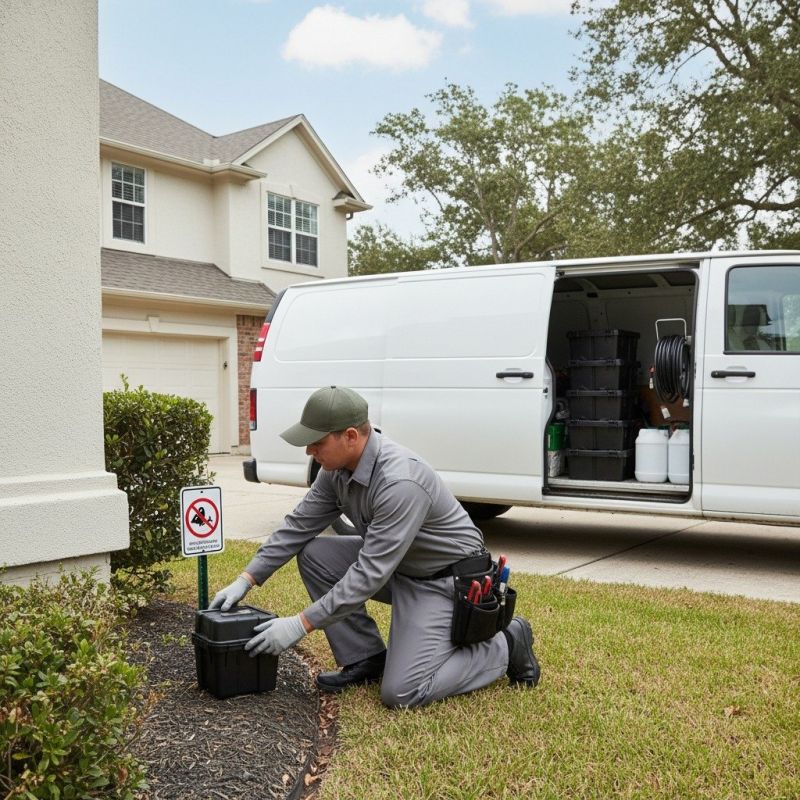
When evaluating local contractors for rodent pest control, it is important to consider their experience with similar projects, particularly those involving identifying and sealing common entry points rodents use to access properties. An experienced service provider will have a track record of effectively locating these entry points and implementing solutions that prevent future infestations. Asking about their previous work or requesting references related to rodent exclusion can help determine if they have the practical knowledge needed to handle the specific challenges presented by your property.
Clear written expectations are essential when comparing service providers. A reputable contractor should be able to outline the scope of work, including inspection procedures, sealing methods, and any follow-up measures. This clarity helps ensure that both parties are aligned on what will be done and reduces the chances of misunderstandings. When reviewing proposals or estimates, look for detailed descriptions of the process and what is included, so that expectations are transparent and realistic.
Good communication and reputable references are key indicators of a reliable service provider. Service providers who communicate effectively are more likely to keep homeowners informed about the progress and any concerns that arise during the project. Additionally, references from previous clients can provide insights into the contractor’s professionalism, quality of work, and ability to address issues related to entry point sealing and rodent prevention. These factors contribute to a smoother experience and increase confidence that the chosen local contractor can effectively handle rodent entry point issues.
Property owners often search for common entry points rodents use to access properties when they are planning practical projects around their homes and businesses. Local pros provide Rodent Pest Control services for everyday jobs and straightforward project options.

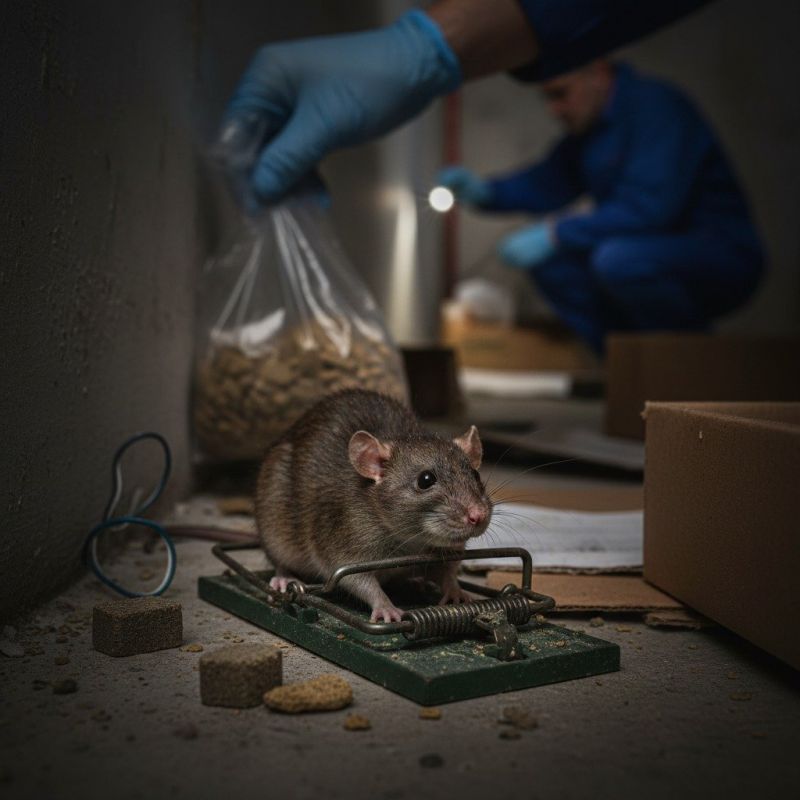
Understanding the common entry points rodents use to access properties is a practical step for homeowners dealing with unwanted pests. Small gaps around doors, windows, and utility lines often serve as easy access points for these animals. Overgrown vegetation, damaged vents, or cracks in the foundation can also provide rodents with pathways into homes and buildings. Property owners in the area searching for effective pest management solutions frequently look into how these entry points contribute to infestations and seek advice on sealing or blocking them to prevent future issues.
Local contractors specializing in rodent pest control can assist in identifying and addressing these entry points to help keep properties secure. They use targeted methods to inspect the exterior and interior of a property, pinpointing vulnerable areas that rodents may exploit. By working with experienced service providers, property owners can ensure that all potential entry points are properly sealed, reducing the risk of recurring infestations. These professionals provide practical solutions tailored to the specific needs of each property, helping to maintain a rodent-free environment.
What are common entry points rodents use to access properties? Rodents often enter buildings through small holes, gaps around utility lines, vents, and damaged doors or windows, making these areas key targets for pest control services.
How can local contractors help identify rodent entry points? Local pest control professionals can inspect properties to locate and seal common entry points, preventing rodents from gaining access and reducing infestations.
Are holes around pipes and utility lines typical entry points for rodents? Yes, rodents frequently use gaps around pipes, cables, and utility lines as entry points, which are areas that local pros can effectively seal to block access.
Can damaged doors and windows be entry points for rodents? Damaged or improperly sealed doors and windows are common entry points, and local contractors can repair or replace these to improve property defenses against rodents.
What role do vents and openings in the foundation play in rodent access? Vents and foundation openings can serve as entry points; local pest control experts can identify and secure these to help prevent rodent intrusion.
Identify common entry points - property owners can survey their buildings to spot gaps, holes, and cracks that rodents may use to gain access, with local contractors providing expert inspections.
Seal exterior openings - sealing gaps around doors, windows, and utility lines can prevent rodents from entering, and local service providers can assist with effective sealing solutions.
Maintain landscaping and drainage - trimming overgrown vegetation and managing drainage systems reduce hiding spots and access routes for rodents near the property.
Install barriers and deterrents - barriers like mesh screens and rodent-proofing devices can block entry points, with local pros offering installation and advice on securing potential entry sites.
If you are thinking about common entry points rodents use to access properties for a property, this guide is meant to help you understand this topic, the typical project types, and how different options might fit your plans.
When you are ready, you can use the quote form on this page to share a few details about your project. From there, local pros can review the basics and follow up with options that match what you have in mind.